
Purpose: Why this matters
Life on Earth is sustained by a delicate interconnected circle of relationships between people, cultures, plants, animals, waters, soils, forests, oceans, and the many ecosystems upon which we all depend.
For thousands of years, Indigenous cultures around the world developed ancient knowledge systems, lores, values, and practices that recognized the interconnected nature of life and humanity's responsibility to live in reciprocal relationship with the Earth. Many faiths, spiritual traditions, and wisdom teachings similarly emphasize principles of care, stewardship, cooperation, and respect for life.
Today, however, many of the environmental, social, and cultural challenges facing our world reflect a growing disconnect from this ancient wisdom and relationships.
Biodiversity Loss
Scientists estimate that around one million plant and animal species are threatened with extinction worldwide. Every species plays a unique role in maintaining the health and resilience of the ecosystems that sustain life. (UN Report)
Declining Ecosystems
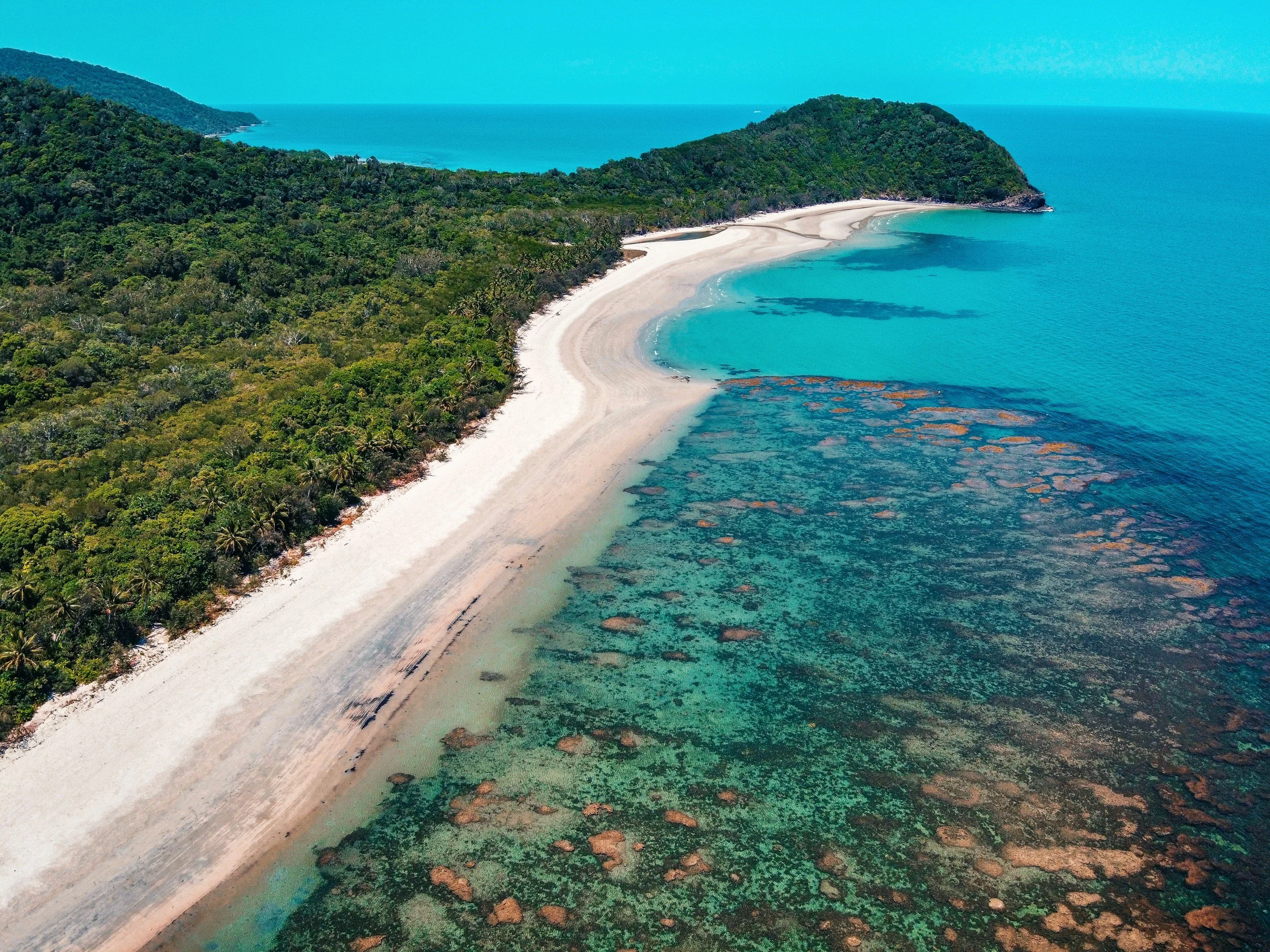
Forests, wetlands, rivers, reefs, and oceans are under increasing pressure from land clearing, pollution, over-exploitation, and climate-related impacts.
More than 1/3 (34%) of the world's tropical rainforests have been lost, while approximately 1/2 of shallow coral reefs have died and 1/3 of global fish stocks have collapsed or become depleted.
As these living systems decline, so too does their ability to support biodiversity, clean water, healthy soils, food security, and community well-being. (Coastal Seas Documentary and Marine Stewardship Council)
Cultural & Language Loss
Languages, stories, cultural practices, and traditional knowledge contain valuable understandings about how people can live sustainably within their environments.
Yet almost 1/2 of the world's 6,511 languages are now endangered, and many Indigenous languages and cultural traditions are at risk of being lost, taking with them generations of ecological knowledge, cultural wisdom, and connection to place. (Nature Scientific Journal)
Within Australia
Australia is one of the most biologically unique countries on Earth, home to plants and animals found nowhere else.
Yet Australia has the highest mammal extinction rate in the world, with approximately 10% of its terrestrial mammal species becoming extinct since European settlement. (Australia State of the Environment Biodiversity Overview and Australian Wildlife Conservancy)
Australia has also lost around 1/2 of its natural wetlands, while extensive areas of native vegetation have been cleared and numerous species remain threatened. (Western Sydney University)
Alongside these environmental challenges, Australia is also experiencing cultural loss. More than 250 Indigenous languages were once spoken across the continent, yet only 123 Aboriginal and Torres Strait Islander languages remain in use today, with only around 12 considered strong and being passed on to children. (AIATSIS 2018–19 survey)
Protecting Australia's unique wildlife, landscapes, waterways, cultural heritage, and knowledge systems requires not only conservation efforts, but also a deeper understanding of our relationship with the places we call home.
Our Shared Responsibilities
The challenges facing our world remind us that we all share a responsibility to care for the living systems that sustain life.
By learning from Indigenous knowledge systems, ecological science, cultural traditions, faith communities, and local experience, we can discover common ground and shared principles that support healthy people, healthy communities, and a healthy Earth.
One Heart One Earth exists to explore these shared principles through the Four Truths of Love, fostering understanding, cooperation, stewardship, and place-based connection.
Peaceful agreement and cooperation are essential to protecting the ecosystems, cultures, communities, and future generations upon which we all depend.